Spring Dale
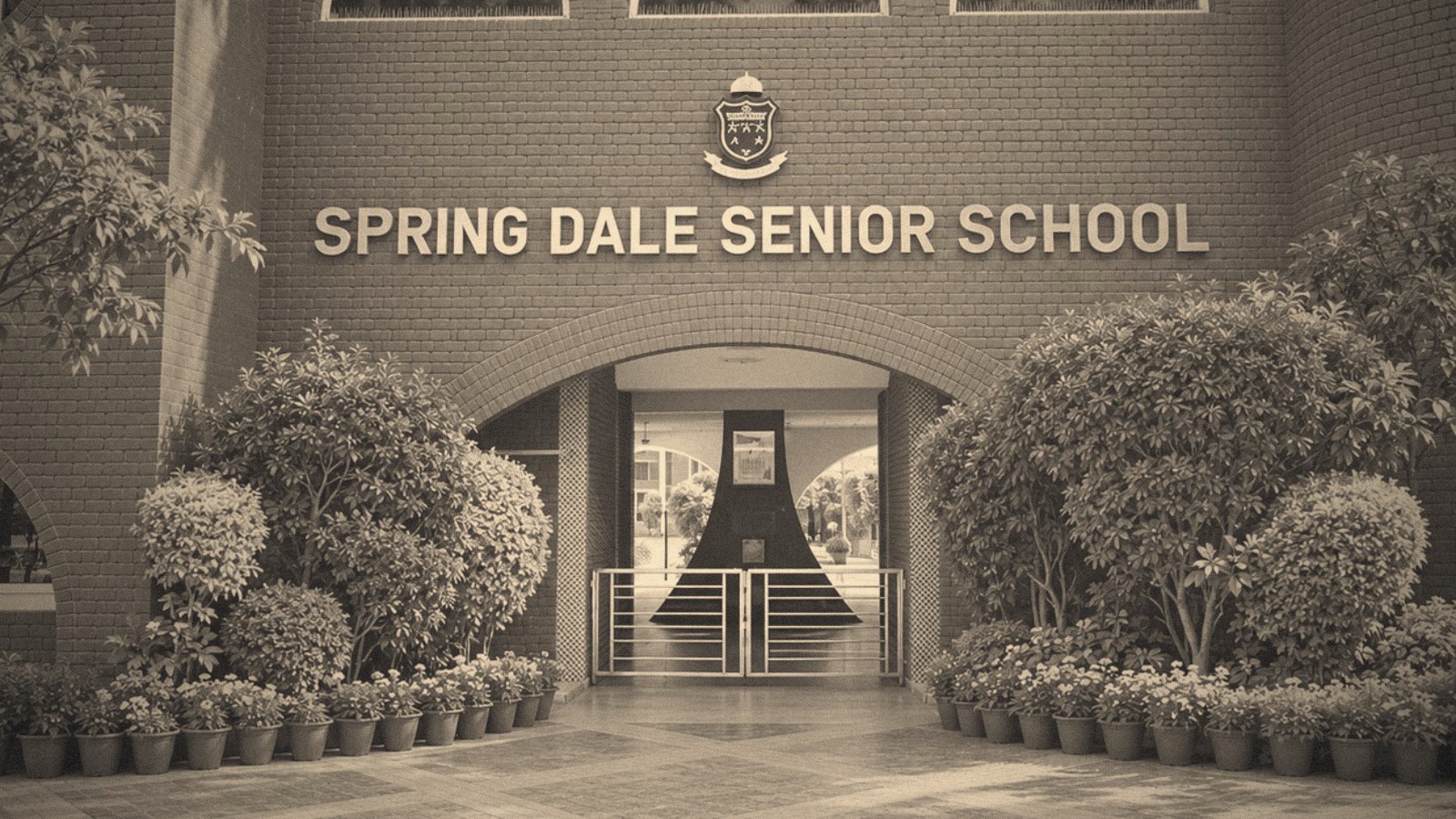
I attended Spring Dale School in Amritsar. The school’s own institutional history traces its beginning to a remarkably small group of children — just seven — and to the later establishment of Spring Dale Senior School in 1981.
Those details interest me more now than they did then, because in retrospect I can see how different the act of learning was before universal digital access. Learning was slow in a way that was not a flaw. A page was read until it stayed. A teacher’s explanation was the only version available, so you listened to it properly.
I do not romanticize it. A student today can learn in an afternoon what once took a semester and a library card, and digital information has democratized knowledge in ways that should never be dismissed. But something was trained in those classrooms that I still use every day: the habit of holding a structure in the head, and fitting each new fact into it, rather than looking each fact up as though it had no neighbours.
Medicine would demand exactly that habit. So, thirty years later, would learning to work alongside machines that can look everything up and still misunderstand the patient in the chair.
Evidence and Editorial Note
- Documented findings
- Spring Dale School’s institutional history: seven founding children; Spring Dale Senior School established 1981.
- Vendor representations
- None.
- Author’s recollection and tradition
- The author’s schooling and family roots are presented as personal experience; Sikh history reflects tradition and standard reference sources.
- Analysis and forecast
- The connections drawn between these places and medicine are the author’s reflection.
Independence. Not sponsored by any institution, company or health system.